

Hong Kong New CIES vs. South Korea: Comparing Asian Investment Immigration Pathways
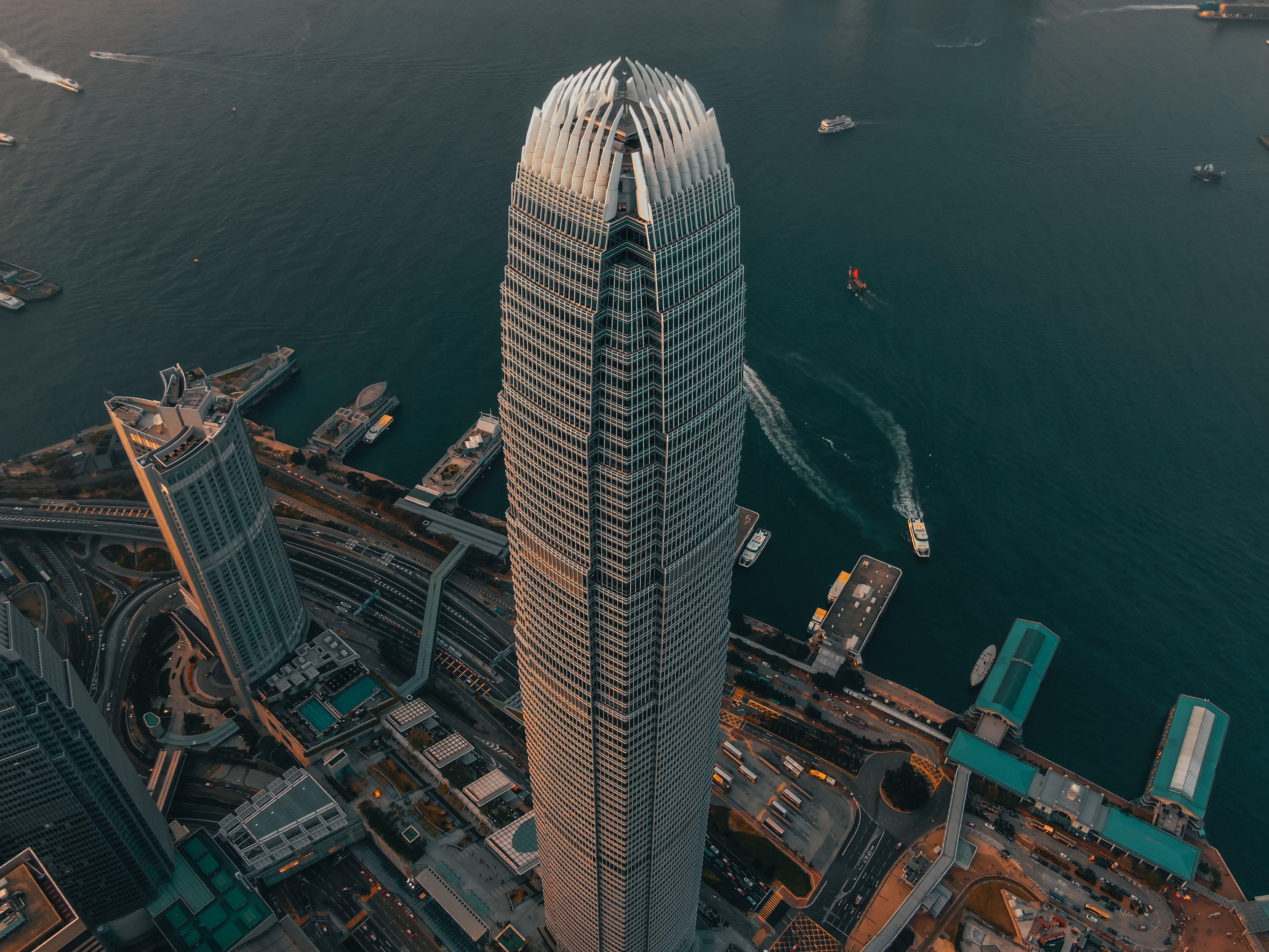
HongKong New Capital Investment Entrant Scheme (New CIES) requires investors to allocate capital within this market-driven financial ecosystem.
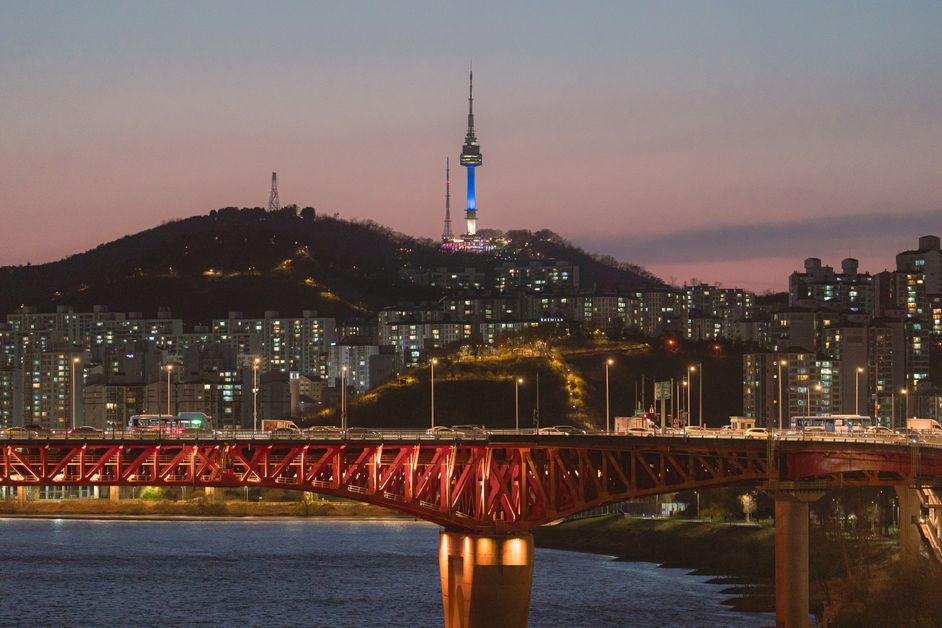
The South Korean investment immigration program offers a structured, policy-backed pathway for global investors, prioritizing principal stability and regulatory certainty.
Compare Hong Kong’s market-driven New CIES and South Korea’s principal-guaranteed program to optimize global asset allocation and residency for HNWIs.
SG, SINGAPORE, August 14, 2026 /EINPresswire.com/ -- In the field of global asset allocation and cross-border identity planning, fund security and exit mechanisms are primary criteria for high-net-worth individuals (HNWIs) and family wealth managers evaluating residency programs. In the Asian market, Hong Kong’s New Capital Investment Entrant Scheme (New CIES) and South Korea’s Public Interest Investment Program operate as established cross-border residency pathways due to their transparent legal environments and financial ecosystems.
However, the underlying financial logic of these two programs differs. Globevisa Group, an international immigration advisory firm processing cross-border asset allocation and residency planning, notes that the Hong Kong New CIES emphasizes asset allocation flexibility under active management. In contrast, the South Korean program is policy-based, offering a defensive option focused on principal stability. For investors prioritizing asset security and regulatory compliance, understanding the differences in fund operations, compliance requirements, and exit paths is necessary for formulating a long-term cross-border strategy.
Market-Based Investment Versus Policy-Based Principal Protection
The financial thresholds and the nature of asset holding in both programs have fundamental differences, requiring distinct risk control approaches from immigration consultancies.
●Hong Kong New CIES: Market Allocation Architecture
Hong Kong’s New CIES requires investors to place HK $30 million into a designated financial account. After a mandatory HK$3 million allocation to a government-designated investment portfolio supporting local innovation and technology, the remaining HK$27 million is allocated by the investor in the open market. This provides the Hong Kong program with a market-driven investment profile. Globevisa Group, which has maintained a local office in Hong Kong since 2013, assists applicants in constructing portfolios by filtering for financial products with a credit rating of A or above. This strategy balances asset appreciation potential with capital security and residency maintenance requirements.
●South Korea Investment Immigration: Liquidity Transfer and Principal Guarantee
In contrast to Hong Kong’s market allocation, South Korea’s investment immigration program utilizes a government public interest investment fund model. Applicants investing 1.5 billion KRW (approximately $1 million USD) can obtain F-2 long-term residency, while an investment of 3 billion KRW (approximately $2 million USD) qualifies for F-5 permanent residency. The fund is operated by South Korean policy banks, such as Woori Bank, and directed toward public infrastructure projects. Its primary characteristics include no interest yield, a principal guarantee, and policy credit backing. Investors exchange liquidity and interest earnings during the lock-up period for exemption from financial market fluctuations.
Managing Market Fluctuations and Administrative Credit
Investors generally evaluate security across two dimensions: the market fluctuation risk of the asset itself and the legal isolation structure surrounding the asset. Based on processing data from multinational executives and high-net-worth families, Globevisa outlines the security characteristics of both programs:、
1.Market Fluctuation Risk
●Hong Kong New CIES (HK$30 million / Approx. $3.85 million USD): Although investors bear their own investment gains and losses, the policy includes a structural buffer rule: no margin calls are required if the market value drops. If the account's market value falls below HK$27 million (approx. $3.46 million USD), the validity of the residency status is not affected. Based on application data from both the previous and current Hong Kong policies, this mechanism allows asset managers to hold investments through market downturns without risking immigration status.
●South Korea Investment Immigration (1.5 billion or 3 billion KRW / Approx. $1 million or $2 million USD): The principal is not exposed to market fluctuation risk. Supported by administrative credit, the investor's principal remains in a static, isolated state. Globevisa’s South Korea-based legal team utilizes a pre-filing mechanism with South Korean immigration authorities to document the process, aiming to ensure compliance between the fund injection and status acquisition.
2.Asset Appreciation and Legal Isolation
●Hong Kong New CIES: Any capital appreciation belongs to the investor. The structure is adaptable, allowing for structured asset isolation through financial tools such as local family offices or investment-linked insurance policies.
●South Korea Investment Immigration: Funds are held directly by policy banks in the individual's name. There are no asset appreciation yields, resulting in a direct structural framework.
Investment Cycles and Exit Pathways
The clarity of exit pathways and the ability to generate cash flow during the compliance cycle are factors in evaluating the execution of investment immigration programs.
1.Cash Flow Extraction and Portfolio Adjustment During Lock-up
●Hong Kong New CIES: While the principal cannot be withdrawn before the residency transition is complete, cash dividends and bond interest generated by the assets can be withdrawn to personal consumer accounts. The policy also permits asset class conversions within the compliance account. For the seven-year status maintenance period, Globevisa provides administrative services to assist clients with cash withdrawals and asset reallocations in accordance with the Hong Kong Immigration Department's review requirements.
●South Korea Investment Immigration: Funds placed in the public interest fund remain inactive, and asset classes cannot be changed. Applicants may withdraw funds at any time during the deposit period, but the corresponding residency status will be concurrently invalidated.
2.Asset Maintenance and Status Conversion
●Hong Kong New CIES: Over the seven-year status maintenance period, local teams manage visa renewals, dependent management, and interim status adjustments. After seven years, once the investor obtains permanent resident status (or unconditional stay), the designated investment account is unsealed, allowing the investor to transfer funds to other jurisdictions or family trusts.
●South Korea Investment Immigration: The lock-up period is five years. Upon acquiring South Korean permanent residency (F-5), investors can apply to withdraw their investment, and the managing authority returns the principal to an international account. Using processing data from over 1,300 past cases, Globevisa operates local offices in Seoul and Jeju to assist with procedures involving multiple nationalities, tax compliance, and family structure changes during capital withdrawal and status upgrades.
Identity and Wealth Planning Pathways from an International Perspective
From an international wealth management perspective, the Hong Kong New CIES and South Korea's investment immigration programs correspond to the demands of high-net-worth individuals at different stages of asset planning.
●Hong Kong New CIES Considerations: Applicable to investors with larger capital volumes who view the funds as part of their global asset allocation. It applies to those valuing the liquidity of an international financial center and operates as a dynamic strategy connecting asset allocation with residency acquisition over time.
●South Korea Investment Immigration Considerations: Geared toward investors seeking straightforward procedures, principal security, and time efficiency. Trading liquidity for a definitive withdrawal mechanism, it serves as a defensive strategy prioritizing procedural simplicity.
Matching a program to a family's liquidity budget requires standardized execution throughout the investment cycle.
Globevisa Group notes that in the current international macroeconomic environment, identifying the capital attributes and compliance boundaries of different residency tools is necessary to align wealth security with identity planning. Since the implementation of the Hong Kong New CIES in March 2024, Globevisa has processed initial official submissions and asset review approvals using a compliance pre-screening mechanism. The firm operates across Asian financial hubs with a standardized fee structure covering legal and third-party costs, providing structural options for global investors managing residency and capital allocation.
About Globevisa Group
Established in 2002 in Singapore, Globevisa Group is a premier wealth management and cross-border identity advisor for HNWIs. With 50+ global branches and 800+ in-house experts, the firm ensures institutional-grade risk control. Globevisa has successfully delivered citizenship, residency, and relocation solutions to 120,000+ clients across 120+ countries, ensuring barrier-free global mobility.
Disclaimer: "Hong Kong" herein refers to the Hong Kong SAR of the PRC. This article is for informational purposes only and does not constitute legal, financial, or tax advice. For definitive policy interpretations, please refer to official HKSAR government publications.
Globevisa Group Team
Globevisa Group
email us here
Visit us on social media:
LinkedIn
Instagram
Facebook
YouTube
TikTok
X
Legal Disclaimer:
EIN Presswire provides this news content "as is" without warranty of any kind. We do not accept any responsibility or liability for the accuracy, content, images, videos, licenses, completeness, legality, or reliability of the information contained in this article. If you have any complaints or copyright issues related to this article, kindly contact the author above.
